
Mini storage Seattle: Top Smart Options 2025
Why Mini Storage Seattle Is Essential for Urban Living
Mini storage Seattle facilities offer the perfect solution when you’re dealing with limited space in the Emerald City. Whether you’re downsizing, moving between apartments, or just need extra room for seasonal items, these facilities provide secure, accessible storage right when you need it.
Top Mini Storage Benefits in Seattle:
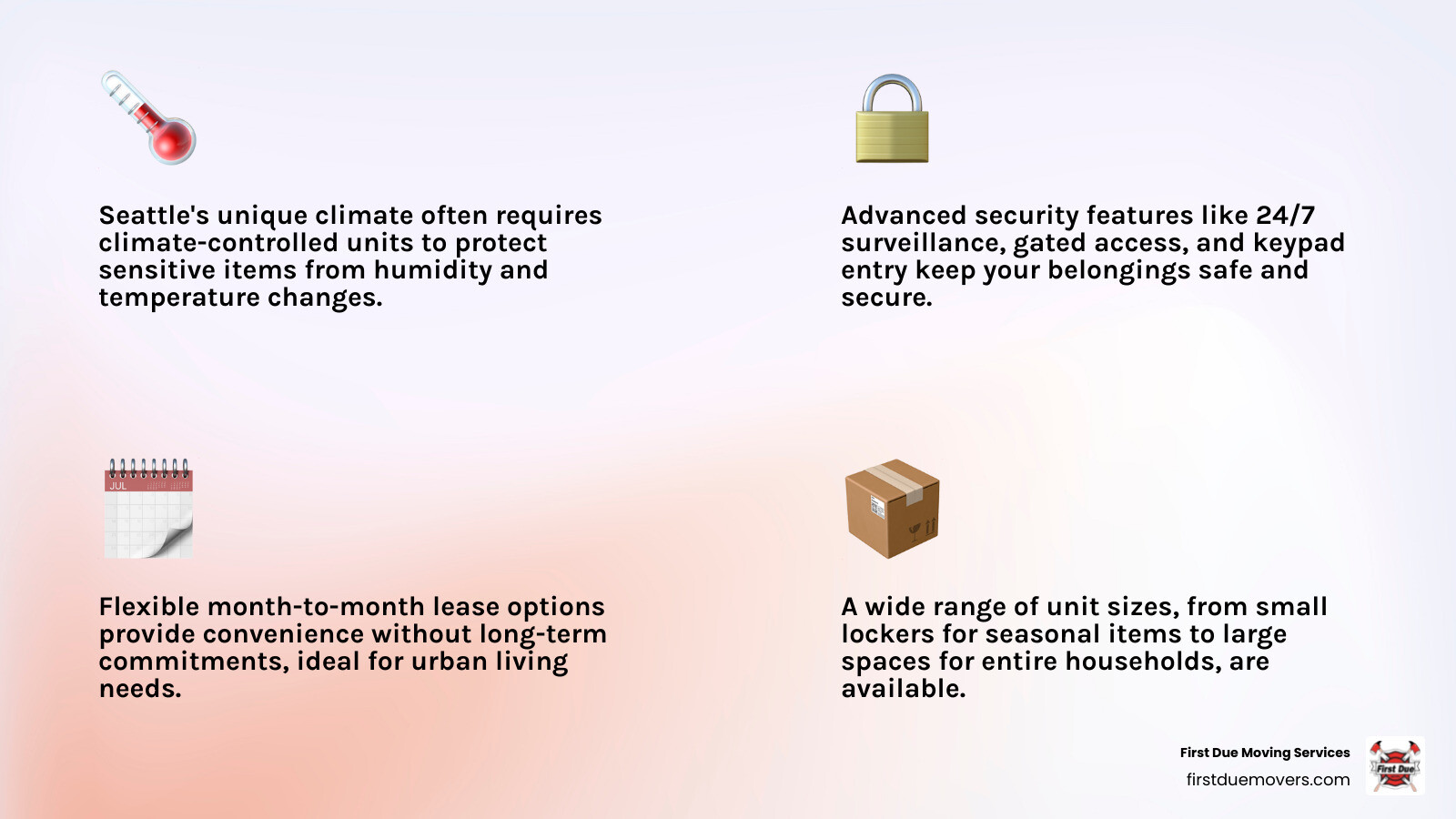
- Climate-controlled units – protect items from Seattle’s humidity and rain
- 24/7 security surveillance – keep your belongings safe with cameras and gated access
- Month-to-month flexibility – no long-term commitments required
- Drive-up access – easy loading and unloading for your convenience
- Multiple size options – from small lockers to spaces that fit entire households
Seattle’s unique climate makes storage considerations different from other cities. The research shows that many facilities offer heated units and climate control specifically to combat the Pacific Northwest’s moisture and temperature changes.
“Sometimes you just need more room and you cannot get it fast enough,” as one local storage company puts it. With over 20 storage locations serving the Seattle area, you’ll find options from downtown to the suburbs that fit your specific needs.
The city’s booming population and limited housing space mean more people are turning to mini storage as a practical solution. From Capitol Hill apartments to West Seattle homes, residents use these facilities during moves, renovations, or simply to declutter their living spaces.
Understanding Seattle Storage: Unit Types and Features
Choosing the right storage solution in Seattle is like finding the perfect apartment – it’s all about knowing what’s out there and what matters most to you. After years of helping Seattle families move their belongings, we’ve learned that understanding your storage options upfront can save you time, money, and plenty of headaches down the road.
Common Storage Unit Types
Mini storage Seattle facilities come in more varieties than coffee shops in the city. Each type serves different needs, and knowing the differences can help you make the smartest choice for your situation.
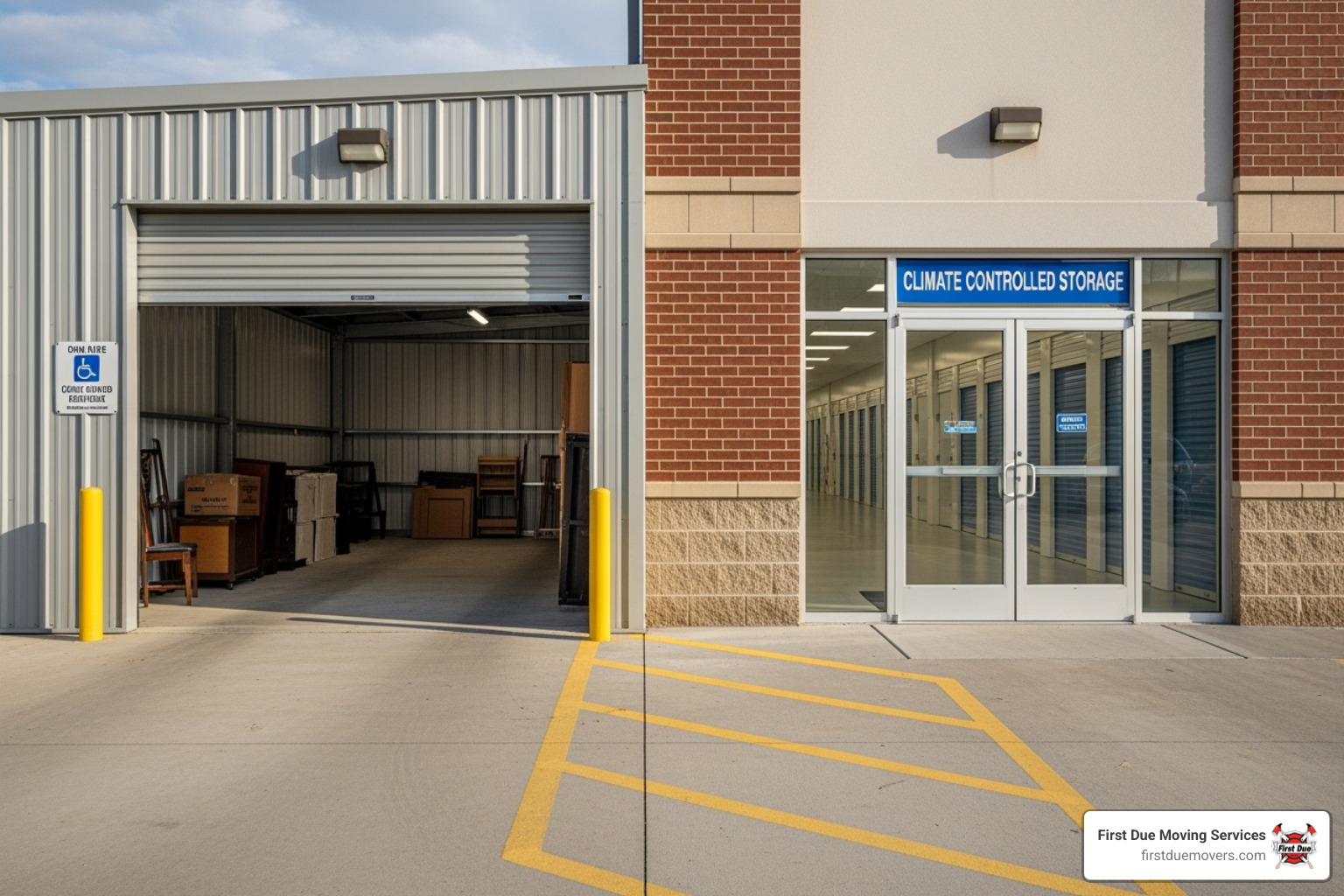
Standard units are the workhorses of the storage world. These basic, unheated spaces work perfectly for furniture, tools, and boxes that don’t mind temperature changes. Many offer drive-up access, meaning you can pull your car or truck right up to the door – a real blessing when it’s pouring rain and you’re trying to move a couch.
Climate-controlled storage units are increasingly popular here, and for good reason. These maintain steady temperatures between 65 and 85 degrees while controlling humidity levels. Given Seattle’s damp climate, they’re often worth the extra investment to protect sensitive items from moisture damage.
Heated units focus specifically on keeping your belongings warm during those chilly Pacific Northwest winters. They’re particularly valuable if you’re storing items that could crack or warp in cold temperatures.
Indoor units sit inside multi-story buildings, giving your belongings extra protection from the elements. These often come with elevator access, and some facilities even have freight elevators that make moving heavy items much easier.
For those needing vehicle storage, many facilities offer spaces for cars, motorcycles, RVs, and boats. This is especially helpful in Seattle where parking is at a premium. You might find covered outdoor spaces or fully enclosed indoor units depending on your needs.
Some facilities also offer specialty options like RV parking and boat storage areas designed specifically for recreational vehicles. If you need help with shipment storage, we can definitely point you in the right direction.
Must-Have Features and Amenities
The best mini storage Seattle facilities go beyond just providing four walls and a lock. The right amenities can make your storage experience smooth and secure.
24-hour video surveillance should be non-negotiable. Quality facilities use multiple cameras to monitor the property around the clock, creating both a deterrent and a record of any activity. Many facilities also offer individual unit alarms for extra peace of mind.
Gated facilities with keypad access ensure only authorized people can enter the property. Look for facilities with sturdy fencing and electronic gate systems that require unique access codes.
On-site management makes a huge difference when you need help or have questions. Having someone available who knows the facility inside and out can solve problems quickly and professionally.
Modern conveniences like online bill pay and digital account management save you time and trips to the office. Many facilities now offer complete online portals where you can handle everything from payments to account updates.
Practical amenities matter too. Moving supplies available on-site mean you don’t have to make extra stops for boxes and tape. Dollies and handcarts provided by the facility can save your back when moving heavy items. Elevator access is essential if you’re considering an upper-floor unit – trust us on this one.
The little touches count as well. Covered loading areas protect your belongings from Seattle’s unpredictable weather, while good lighting throughout the facility makes accessing your unit safer and more convenient, especially during those short winter days.
Finding Your Fit: Sizing and Pricing Your Unit
One of the biggest questions we hear from folks is, “How much space do I actually need?” It’s a common dilemma that can leave you scratching your head. Getting it right can save you both money and headaches down the road. Let’s break down how to determine the right size for your mini storage Seattle unit and what to expect when it comes to pricing.
How to Determine the Right Size Storage Unit
Choosing the right size unit is absolutely crucial. Too small, and you’ll be playing an endless game of Tetris with your belongings – and trust us, nobody wins that game. Too large, and you’re paying for empty space that could be better used for your morning coffee fund.
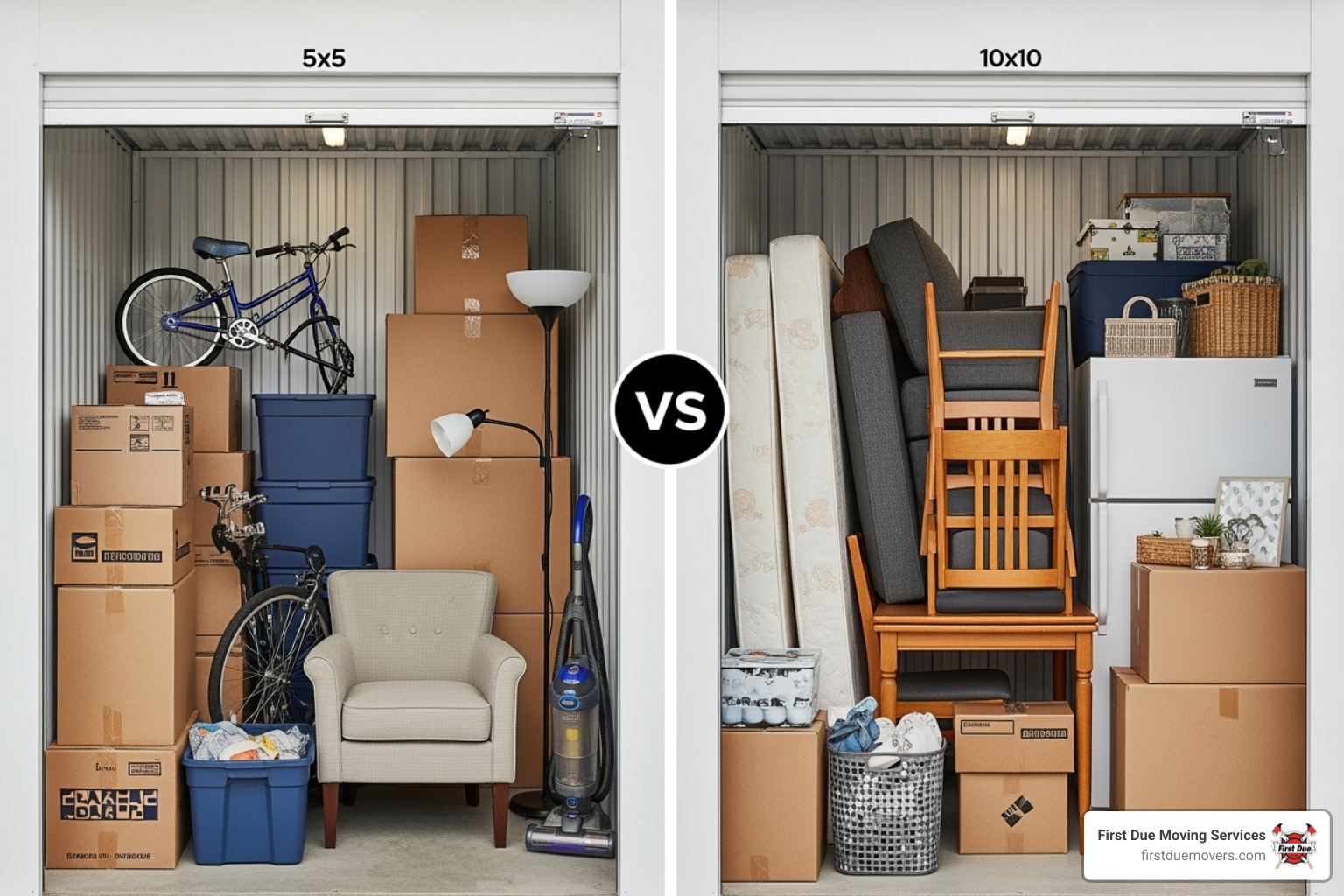
The key is to think about what you’re actually storing. A 5×5 unit (about the size of a small walk-in closet) works great for seasonal items, holiday decorations, or a few boxes of keepsakes. It’s perfect when you just need to clear out some clutter or store items during a quick apartment transition.
Moving up to a 5×10 unit gives you more breathing room – think of it as a large walk-in closet or small bedroom. This size handles the contents of a studio apartment beautifully, including some furniture pieces and several boxes.
A 10×10 unit is where things get spacious. Picture a small bedroom or large office space. This size can comfortably hold the contents of a one-bedroom apartment, including major furniture pieces like a couch, dining set, and bedroom furniture, plus all those boxes.
For those bigger moves, a 10×20 unit is like having a one-car garage at your disposal. It’s ideal for a two to three-bedroom home’s worth of stuff, including large appliances and furniture. We’ve seen families use these during major renovations or cross-country moves.
The trick is to be honest about what you’re storing and for how long. If you’re just storing seasonal items, go smaller. If you’re in the middle of a major life transition, you might need more space than you initially think. Many facilities offer virtual tours or can help you walk through your options – don’t hesitate to ask for guidance. For more detailed storage solutions, check out our Storage Seattle WA services.
Decoding Pricing for Mini Storage Seattle
Understanding mini storage Seattle pricing doesn’t have to feel like cracking the Da Vinci Code. Once you know what factors affect the cost, it all makes perfect sense.
Monthly rental rates form the backbone of your storage costs. These rates dance around based on several factors: the size of your unit, whether it’s climate-controlled, the security features available, and where exactly the facility sits in the greater Seattle area. A facility in busy Capitol Hill might have different pricing than one in the quieter suburbs.
Many facilities roll out the red carpet for new customers with introductory offers. You might see deals like “first month free” or “50% off your first two months.” These can be fantastic money-savers, but always read the fine print. Some offers require you to mention them upfront, and they’re typically for new customers only.
Don’t forget to ask about potential discounts beyond those flashy introductory deals. Some facilities offer breaks for longer commitments or have special rates for certain groups. It never hurts to ask – the worst they can say is no.
Here’s where it gets interesting: many reputable facilities pride themselves on transparency. Look for places that advertise no administrative fees or deposits. These upfront costs can add up, so finding a facility that skips them puts more money back in your pocket from day one.
Insurance options deserve serious consideration. While it might seem like an extra expense, protecting your belongings against fire, theft, or water damage is worth every penny. Some facilities include basic coverage, while others offer it as an add-on.
The real beauty of most mini storage Seattle options lies in their flexibility. Month-to-month rentals are the standard, meaning you’re not chained to a long-term commitment. This flexibility is a lifesaver during uncertain times – whether you’re between homes, renovating, or just figuring out your next move.
When comparing your options, look beyond just that monthly number. Consider the total picture: security features, convenience factors like drive-up access, and the overall value you’re getting. Sometimes paying a bit more for climate control or better security makes all the difference in protecting your precious belongings.
Key Considerations for Mini Storage Seattle
When you’re ready to choose the perfect mini storage Seattle facility, there’s more to consider than just finding a unit that fits your stuff and your budget. After years of helping people with their moving and storage needs, we’ve learned that the best storage experience comes down to three key factors: rock-solid security, understanding how Seattle’s unique climate affects your belongings, and knowing exactly what you’re signing up for with your lease.
Security Measures to Look For
Let’s be honest – you’re trusting a storage facility with your precious belongings, so security should be your top priority. In a busy city like Seattle, where everyone values their personal property, you want to make sure your items are as safe as if they were in your own home.
The foundation of good security starts with a fenced perimeter and electronic gate access. Think of it as the first line of defense – a secure fence around the entire property combined with a gate that requires your unique code to enter. No code, no entry. It’s that simple, and it’s incredibly effective at keeping unwanted visitors out.
But we don’t stop there. The best facilities offer individually alarmed rooms, which means if someone tries to open your specific unit without authorization, an alarm goes off immediately. It’s like having a personal security guard just for your unit – pretty reassuring, right?
24-hour video surveillance is another must-have feature. High-quality cameras should be watching every corner of the facility around the clock, from the main entrance to the hallways where your unit is located. Good facilities will proudly tell you about their comprehensive camera coverage.
Don’t underestimate the importance of good lighting throughout the facility. Well-lit areas not only make you feel safer when you’re visiting your unit in the evening, but they also deter anyone with bad intentions. Bright lights are like kryptonite to people who shouldn’t be there.
Having on-site staff or a property manager adds that human touch to security. Whether it’s someone working during business hours or a manager who actually lives on the property, having real people around makes a huge difference. They can respond to issues quickly and keep an eye on things when you can’t.
When all these security elements work together – what some facilities call their “MAX Security” system – you get the kind of protection that lets you sleep soundly knowing your belongings are safe.
Is Climate-Controlled Storage Necessary in Seattle?
This is probably the question we get asked most often, and honestly, it’s a great question. The answer depends on what you’re storing, but in Seattle’s unique climate, climate control is often worth every penny.
Here’s the thing about our beautiful Pacific Northwest weather – it’s not just the rain you need to worry about. Seattle’s climate brings cool, wet winters and mild summers, but the real challenge is the persistent humidity that hangs around much of the year. That moisture can be absolutely devastating to certain types of belongings.
Climate-controlled storage units are like a protective bubble for your items. They keep the temperature steady (usually between 65 and 85 degrees) and, more importantly, they control humidity levels. This prevents those dramatic swings in moisture and temperature that can wreak havoc on your stored goods.
So what really needs this extra protection? Electronics are probably the most vulnerable – computers, TVs, and stereo equipment can develop corrosion and stop working properly when exposed to Seattle’s humidity. Wooden furniture, especially antiques or musical instruments, can warp, crack, or even rot if they absorb too much moisture over time.
If you’re storing artwork, documents, or photographs, climate control isn’t just recommended – it’s essential. These items can develop mold, become brittle, or fade when exposed to humidity fluctuations. The same goes for fabrics and upholstery – nobody wants to retrieve their favorite couch only to find it smells musty or has mildew spots.
Even metal items like tools or appliances can rust and corrode in our damp climate. It’s amazing how quickly Seattle’s humidity can turn a perfectly good tool into a rusty mess.
Some facilities offer specialized options like heated units for particularly cold-sensitive items, or cool basement units that maintain consistently lower temperatures. Both are forms of climate control designed for specific needs.
The bottom line? If you’re storing anything that has sentimental or monetary value, especially for more than a few months, climate control in Seattle is usually a smart investment. It’s a small price to pay to ensure your treasured possessions come out of storage in the same condition they went in.
Typical Lease Terms and Payment Options
One of the things we love about the storage industry is how it’s designed around flexibility – something that’s incredibly important when you’re dealing with life’s unexpected twists and turns. Most mini storage Seattle facilities understand that your storage needs might change, and they’ve built their lease terms to accommodate that reality.
Month-to-month rentals are the gold standard in the storage world, and for good reason. You’re not locked into a long-term contract that might not fit your changing circumstances. Whether you need storage for two months during a home renovation or two years while you’re figuring out your next move, you have the freedom to adjust as needed. Just give the required notice (usually between 10 and 30 days) when you’re ready to move out, and you’re all set.
The payment process has become incredibly convenient too. Autopay is a lifesaver – you can set it up once and never worry about missing a payment or dealing with late fees. Most facilities also offer online payment portals where you can manage your entire account, check payment history, and even make changes to your rental details from your phone or computer.
When it comes to payment methods, facilities typically accept all the usual options – major credit cards, debit cards, and often cash or checks for in-person payments. Online systems usually handle credit cards and electronic bank transfers seamlessly.
Here’s something that makes us smile: many reputable facilities have done away with security deposits and administrative fees. This means you can get started with your storage solution without a big upfront cost, which is especially helpful when you’re already dealing with the expenses of moving or renovating.
This flexibility in lease terms and payment options reflects the industry’s commitment to making storage as stress-free as possible. It’s one of the many reasons we often recommend working with professional moving and storage companies who understand these systems inside and out. Advantages of moving and storage companies.
Frequently Asked Questions about Seattle Mini Storage
We know you’ve got questions, and we’re here to answer them! Navigating mini storage Seattle can be a breeze once you have the right information. Over the years, we’ve heard just about every storage-related question you can imagine, so let’s tackle the most common ones.
What are the benefits of using online tools to manage my storage unit?
The digital age has transformed how we handle everyday tasks, and mini storage Seattle is no exception. Think about it – you can order coffee from your phone, so why not manage your storage unit the same way?
Online reservations are a game-changer. You can browse available units, compare sizes, and complete your entire rental without leaving your couch. No more driving across town just to find they don’t have the size you need! This contactless rental process became especially valuable during recent years, but the convenience factor makes it a permanent favorite.
Digital payments take the hassle out of monthly bills. Set up autopay once, and you’ll never worry about late fees or remembering due dates again. Your online account gives you 24/7 access to payment history, lease details, and even your access codes – perfect for those moments when you can’t remember if you paid this month’s bill.
The biggest win? Time-saving convenience. Managing your storage fits seamlessly into your busy Seattle lifestyle. Whether you’re grabbing lunch in Pioneer Square or waiting for the ferry, you can handle storage business from anywhere with internet access.
What are the advantages of choosing a locally owned facility?
As a firefighter-founded company, we understand the value of community connections. Choosing a locally owned mini storage Seattle facility often brings benefits you won’t find with larger chains.
Personalized customer service is where local businesses really shine. Staff members often know customers by name and remember your specific needs. Need to access your unit outside normal hours for an emergency? A local owner might be more willing to work with you than a corporate call center hundreds of miles away.
Community investment matters more than you might think. Local storage facilities contribute to Seattle’s economy, create neighborhood jobs, and often support local causes. When you choose local, you’re investing in your own community’s success.
Direct communication can solve problems faster. Instead of navigating phone trees and corporate policies, you might have the owner’s direct number. This flexibility extends to special requests, unique situations, or custom solutions that rigid corporate structures simply can’t accommodate.
Local businesses live and die by their reputation in the community. Word-of-mouth referrals and local reviews carry enormous weight, which translates into exceptional service. They genuinely care about each customer’s experience because their success depends on it.
What should I not put in my mini storage Seattle unit?
While storage units are incredibly versatile, there are some important safety and legal restrictions to keep in mind. These rules exist to protect everyone – you, other customers, and the facility staff.
Flammable materials top the prohibited list for obvious reasons. Gasoline, propane tanks, paint thinners, and fireworks create serious fire hazards. Hazardous chemicals like pesticides, fertilizers, and cleaning solvents pose health risks and can damage other stored items. Many common household products are considered hazardous, which is why they are not permitted in storage units. You can learn more about these materials from the Environmental Protection Agency.
Perishable food might seem like an odd thing to store, but you’d be surprised how often this comes up! Fresh produce, opened food containers, and even pet food can spoil, create odors, and attract unwanted visitors like rodents or insects. Nobody wants to find their storage unit has become a pest party zone.
Living things – plants, pets, or anything else that breathes – obviously don’t belong in storage units. They need light, fresh air, and care that a closed unit simply can’t provide.
Illegal items are strictly forbidden, including drugs, stolen goods, and unregistered weapons. Wet or damp items can cause mold and mildew problems that spread beyond just your belongings.
Here’s a pro tip: when in doubt, ask! Each facility may have slightly different policies, and staff are always happy to clarify what’s acceptable. It’s much easier to ask upfront than deal with problems later.
Most facilities provide detailed prohibited items lists when you sign your lease. Take a few minutes to review it – it could save you headaches down the road.
Conclusion
Finding the right mini storage Seattle solution doesn’t have to feel overwhelming. Armed with knowledge about unit types, security features, sizing options, and pricing structures, you’re ready to make a smart choice that fits your specific needs. Whether you’re dealing with a cramped Capitol Hill apartment, managing a cross-town move, or simply need somewhere safe to stash your winter gear, Seattle’s storage landscape has something for everyone.
The key to success lies in matching your storage needs with the right facility features. Climate-controlled units protect your valuables from Seattle’s notorious dampness, while robust security measures give you peace of mind. Month-to-month flexibility means you’re never locked into something that doesn’t work for your changing circumstances.
The goal is always a stress-free experience. As firefighters-turned-movers, we understand that moving and storing your belongings should be the least of your worries during life’s transitions.
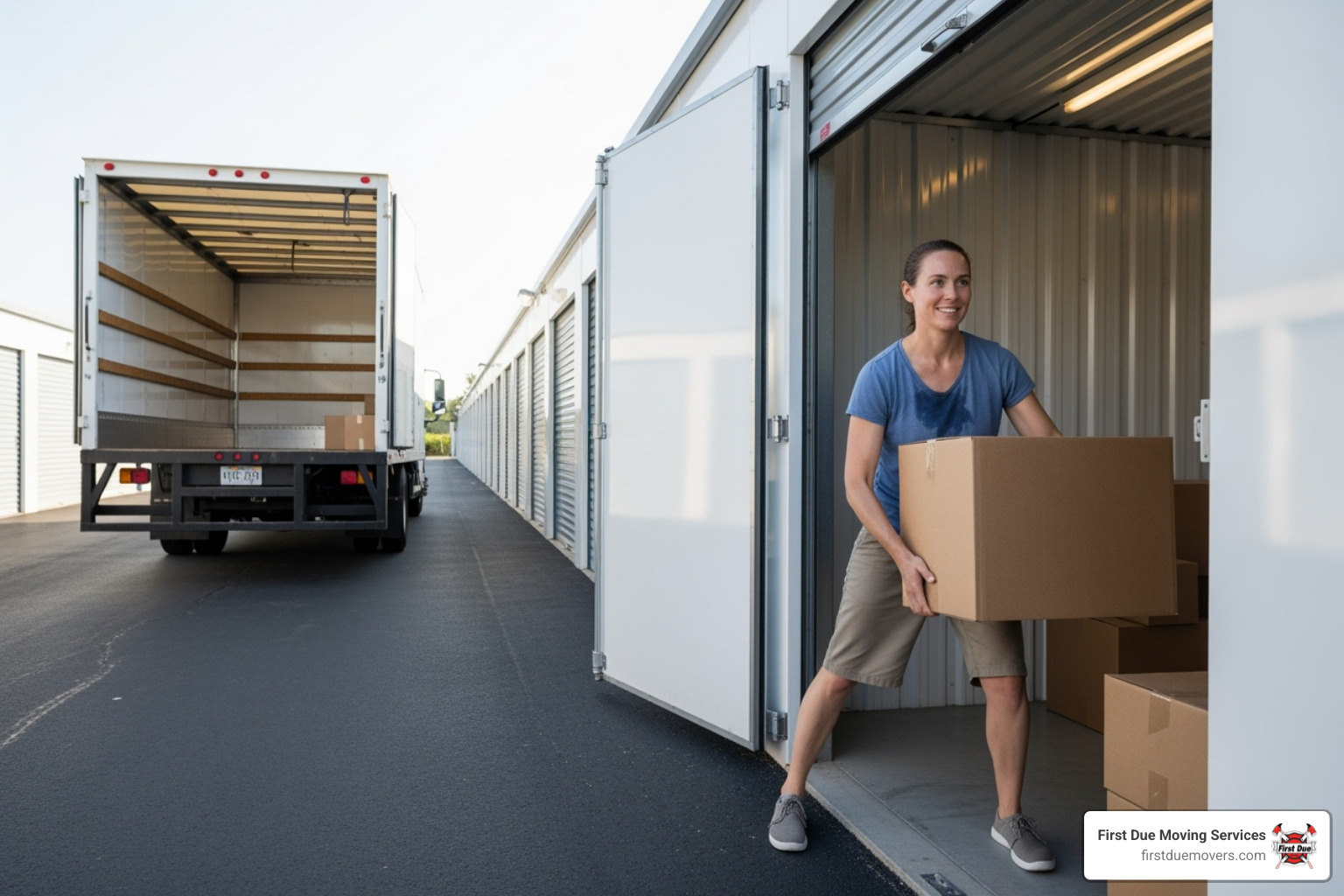
When it comes time to actually get your stuff to and from your storage unit, that’s where professional help makes all the difference. Our team at First Due Moving Services brings the same values we learned in the fire service – trust, integrity, and professionalism – to every move we handle. We know how to protect your belongings and make the process smooth.
For a trusted partner in your storage journey, consider our comprehensive storage solutions in Seattle, WA. Whether you need help with the initial move into storage or you’re ready to retrieve everything for your new home, we’ve got you covered. Check out our Seamless Residential Moves Seattle services to see how we can make your next transition as easy as possible.
Your belongings deserve careful handling, and your peace of mind is worth the investment in professional service. Let us help you stash your stuff with confidence!